Siding Installation Services for Older Homes
Request an estimate at your pace
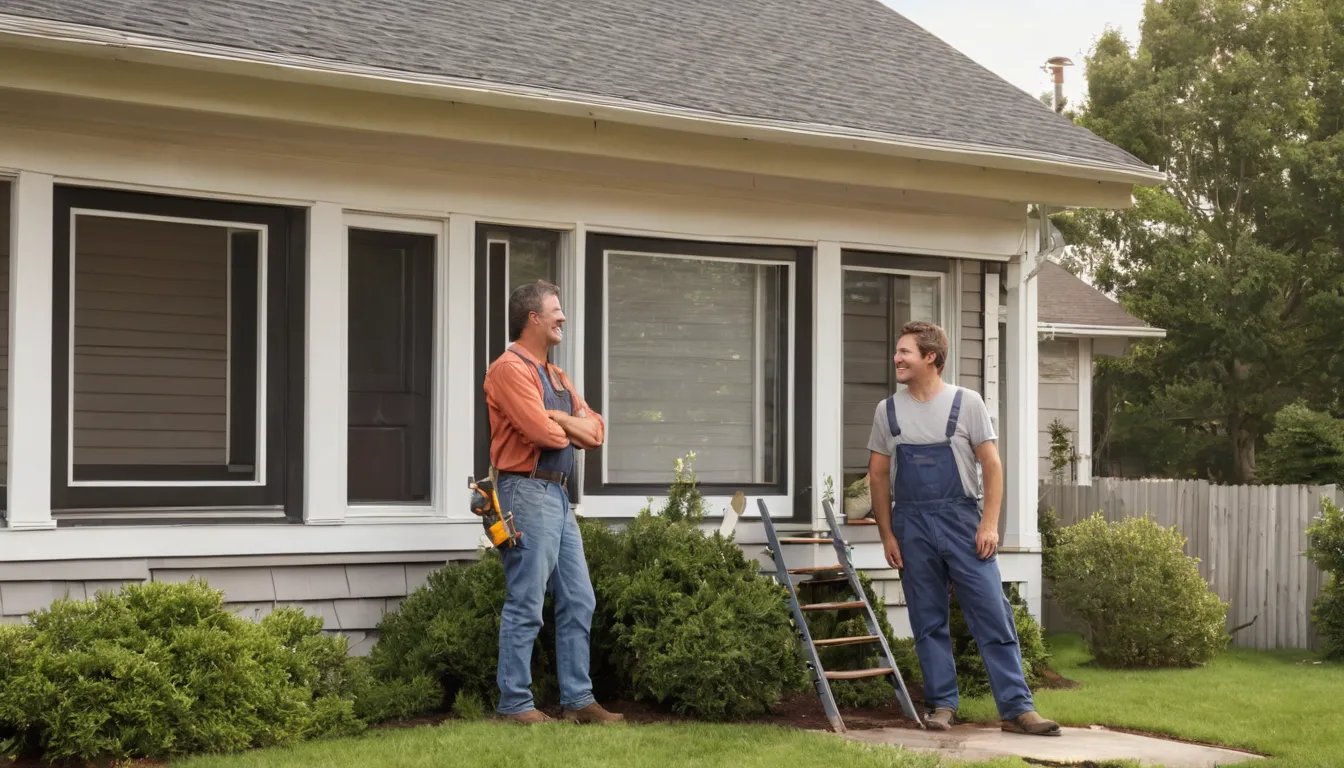
Siding does a quiet job. It sheds rain, blocks wind and keeps frost out of the wall. When it starts to crack, warp or peel, an older house feels it first. Aging boards, past patch jobs and hidden damage are common, and none of it needs to scare you.
Wantwins Windows & Siding is a referral service. It does not install siding. It connects you with independent residential siding contractors in the Mentor area who are used to frame houses, bungalows and ranch homes. You can compare written quotes, ask your questions and decide when you are ready. Old houses deserve patience, and this page is here to help you start calmly.
Siding Giving You Trouble? Start Here
If your siding looks worn out, take a breath. Most siding problems give plenty of warning, so you have time to think. Still, a loose board or a soft spot is worth a look soon, because water always finds a way in.
This page walks you through the signs, the materials, the steps and the questions to ask. It is written for people with older homes, so it moves slowly and plainly.
Signs the Walls Are Asking for Attention
Start with a quiet walk around the house in daylight. Look at every side, not just the one facing the street. Jot down what you notice.
Boards That Crack, Warp or Lift
Cracks, gaps and curling edges let rain slip behind the surface. On an older frame house, that water can sit against the wood for years before anything shows inside.
Paint That Keeps Peeling
Paint that bubbles or flakes within a season often points to moisture underneath. Another coat of paint will not fix that. It only hides it for a while.
Soft Spots and a Musty Smell
Press gently on boards near the ground and below windows. If they feel spongy, or a damp smell drifts into a room, mention it to the provider early. It helps them plan.
Bills Creeping Up, Rooms Feeling Drafty
Worn siding and gaps in an old wall can make rooms feel cold in winter and stuffy in summer. A newer wall system may help with comfort, though results vary from house to house.
Look Behind the Trim
Walls built decades ago hold surprises. You might find a second layer of old siding, wood sheathing with gaps, or no weather barrier at all. Past patch jobs can hide under paint. None of this is a reason to worry. It is simply why a provider should look closely before giving you a written quote.
Past Repairs and Mixed Materials
Many older homes have a bit of everything. One wall may be wood, another covered years ago with something else. Ask the provider to note each type they find and how it affects the plan.
Old Paint and Old Products
Houses built before 1978 may have lead paint, and some very old products may contain asbestos. A careful provider will ask about your home's age and follow safe handling rules.
Choosing a Siding Material
Your climate matters here. Deep frost, humid summers, hail and hard storms all test a wall. Think about upkeep, looks and budget together.
Vinyl Siding
Vinyl siding is popular because it comes in many colors, needs little upkeep and suits many bungalows and ranch homes. Thicker panels handle hail better than thin ones. Ask about insulated backing too.
Fiber Cement
Fiber cement is heavy and sturdy. It resists rot and handles heat well. It needs paint or a factory finish, and it takes more labor to hang.
Engineered and Natural Wood
Wood gives an older house its classic look. Engineered wood resists pests better than raw boards. Both need regular care, so ask the provider how often.
What Installation Involves
Taking Off the Old Layer
The provider removes the old siding and looks at what is under it. This is dusty, noisy work that calls for ladders, scaffolding and safety gear.
Checking the Sheathing
Once the wall is bare, the provider looks for rot, damp spots and gaps. Hidden damage found now should be priced in writing before work moves on.
Wrap, Flashing and Trim
A weather barrier goes up first. Then comes flashing around doors and window openings, then the panels and trim. If you also plan energy efficient windows, ask the provider to coordinate so the flashing lines up.
What You Can Do Yourself, and What to Leave Alone
You can help a lot without a tool belt. Trim shrubs back from the walls, move patio furniture, take photos of trouble spots and dig out any old house plans. Keep a notepad of questions as you go.
Leave the rest to a professional. That means working at height, cutting and nailing panels, handling old paint and shaping flashing. Panels nailed too tight can buckle in summer heat, and panels nailed too loose can crack in a deep freeze. Doing it right takes skill and the proper equipment.
How Long Does Siding Installation Take?
A small home may take several days. A larger house, or one with hidden damage, can take a couple of weeks. Weather can move the schedule, so ask the provider for a range instead of a firm date.
Planning Ahead
Pick Your Season
Mild spring and fall weather suits most materials. Very cold days can make vinyl siding brittle, and storm season can pause work. Popular months fill up, so it helps to ask early. Request a callback to check provider availability for your season.
Also keep sump pump areas and window wells clear, since ladders and debris move around the house. Ask how the provider will protect shrubs and gutters.
Check Your Policy
Some policies may cover sudden damage, such as hail. Check yours, and know that providers can often help document damage for a claim.
Questions to Ask the Provider
- Will the written quote list the material, brand and thickness?
- What happens if you find rot under the old siding?
- How do you handle a house with layers of past work?
- Who takes care of permits, cleanup and disposal?
- What warranty comes with the product and the labor, in writing?
- Can you give me a schedule range and a weather plan?
Quotes at your pace. Compare two or three, and ask about anything that feels unclear. When you are ready, request an estimate.
What's Included
Old Siding Removal
Providers take off worn boards or panels and check what the wall looks like underneath.
Wall Checks
Sheathing and framing get a careful look for moisture and rot.
Weather Barrier and Flashing
A fresh barrier and sealed edges around doors and windows help keep water out of the wall.
New Siding and Trim
Vinyl siding, fiber cement or wood goes up with matching trim, corners and finishing pieces.
Typical Siding Cost Ranges
Siding prices swing with home size, material, wall condition and local labor. These are typical U.S. ranges only. Your own numbers will differ, so ask each provider for a written quote that lists every item.
| Item | Typical range | Notes |
|---|---|---|
| Vinyl siding, whole house | $9,000 – $20,000 | Depends on panel thickness and wall shape |
| Fiber cement siding | $15,000 – $30,000 | Heavier material, more labor |
| Engineered wood siding | $12,000 – $25,000 | Needs paint or stain upkeep |
| Old siding removal and disposal | $1,000 – $4,000 | Extra layers raise the price |
| Weather barrier and insulated backing | $1,500 – $5,000 | Often worthwhile on older walls |
| Sheathing and trim fixes found on site | $500 – $5,000 | Only if hidden damage turns up |
How It Works
Share Your Situation
Tell us about your house, its age and what you have noticed on the walls.
Get Matched Locally
Your request goes to independent siding providers who work in your area.
Compare Written Quotes
Each provider looks at the home and gives a quote with materials and labor listed.
Choose When Ready
Pick the provider and schedule that suit you, and ask any last questions first.
Why Call Wantwins Windows & Siding
Older Homes Understood
Providers in our network are used to aging frames, past patch jobs and walls that hold surprises.
Calm Start
You explain your situation once, then compare written quotes from independent local providers at a pace you choose.
Plain Answers
Questions about materials, timing and cost get simple, direct answers.
No Pressure
Requesting an estimate carries no obligation to hire anyone.
Other Services
Need siding installation services in Mentor?
Tell us about your windows or siding. Request a callback to check provider availability, or send a request and a local provider will reach out.
No obligationSiding Installation Services FAQ
How do I know if my house needs new siding?
Look for cracked, warped or loose boards, peeling paint, soft spots and a musty smell near the walls. If paint fails again and again, moisture may be getting behind it. A provider can check what is underneath.
Is vinyl siding a good choice for an older house?
It can be. Vinyl siding needs little upkeep and comes in many styles. On older walls, ask the provider to check the sheathing first and to explain how panels will be fastened and sealed.
Can I install siding myself to save money?
You can help with clearing shrubs away from the walls, taking photos and planning the project. The ladder work, cutting, nailing and flashing are safer left to a professional provider, since small mistakes can let water into the wall.
Request a callback
Tell us about your windows or siding. Request a callback to check provider availability, or send a request and a local provider will reach out.
No obligation